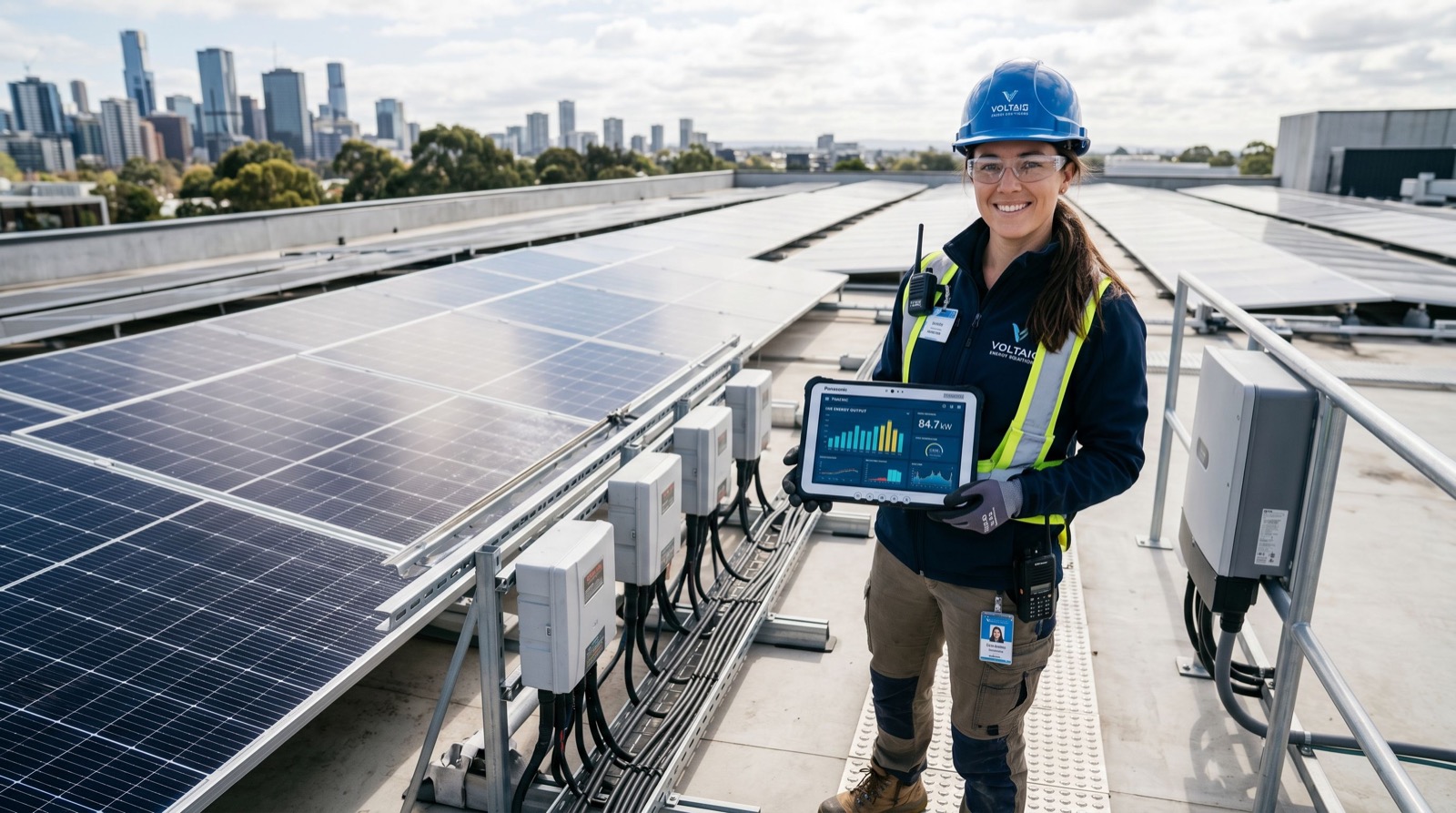
Choosing solar installation in Lahore in 2026 is one of the smartest moves a homeowner or business can make against rising grid tariffs and frequent load-shedding. With electricity prices climbing across Punjab and net-metering rules now well established, a properly sized rooftop system pays for itself faster than ever. This guide walks you through the full installation journey, from the first shading survey to the day your bidirectional meter starts spinning backward.
We have surveyed hundreds of rooftops across DHA, Johar Town, Bahria Town and Gulberg, and the pattern is clear: the households that plan carefully save the most. Below you will find the practical, first-hand knowledge you need to get a durable, high-yield system installed correctly the first time.
Why Solar Makes Sense in Lahore Right Now
Lahore receives roughly 5.3 kWh of solar irradiance per square metre each day, which is among the better resources in South Asia. That means a 1 kW panel array typically generates 4 to 5 units on a clear day. Over a year, a well-oriented 10 kW system can produce 14,000 to 16,000 units.
With grid tariffs for protected and unprotected consumers rising steadily, the payback window for a residential system has shrunk to roughly 3 to 4 years. After that, you enjoy 20-plus years of near-free electricity backed by manufacturer performance warranties.
- Hedge against annual tariff hikes and fuel-cost adjustments.
- Beat load-shedding when paired with a hybrid inverter and battery.
- Earn credits by exporting surplus units through net metering.
- Raise your property value with a documented, warrantied system.
If you want a partner who handles the paperwork and hardware end to end, work with a trusted solar company in Pakistan that offers post-installation support, not just a one-time sale.
The Step-by-Step Installation Process
A clean installation follows a predictable sequence. Skipping steps is where most cheap jobs go wrong.
- Site survey: Engineers measure roof area, tilt, azimuth and shading across the day.
- System design: String layout, inverter sizing and cable routing are finalised.
- Structure mounting: Galvanised or aluminium rails are anchored for wind loads.
- Panel and inverter fitting: Modules are torqued to spec and DC wiring is completed.
- Grid connection: AC side, protection devices and earthing are terminated.
- Net-metering application: Documents are filed with your DISCO for the bidirectional meter.
A standard residential job takes two to four days on site, while net-metering approval from LESCO can take a few weeks depending on load and paperwork completeness. Professional solar installation in Lahore should always include this end-to-end handling so you are not left navigating DISCO paperwork alone.
Choosing the Right Components
Component quality decides whether your system lasts 5 years or 25. Insist on Tier-1 panels, a reputable inverter brand and copper cabling rated for the current. The table below compares common configurations in Lahore.
| System Size | Ideal For | Approx. Daily Units | Roof Space Needed |
|---|---|---|---|
| 5 kW | Small home, 1 AC | 20–25 | ~300 sq ft |
| 10 kW | Family home, 2–3 ACs | 40–50 | ~600 sq ft |
| 15 kW | Large home / small office | 60–75 | ~900 sq ft |
| 25 kW+ | Commercial unit | 100+ | 1,500+ sq ft |
How Does Net Metering Work in Lahore?
Net metering lets you export the surplus your panels generate during the day and draw it back at night, effectively using the grid as a battery. Pakistan’s framework is governed by the national regulator, and the rules are published by NEPRA.
You need a valid electricity connection, a sanctioned load that matches your system size, and a filed application through your distribution company. Once approved, a bidirectional meter records both import and export, and your monthly bill is netted accordingly.
For accurate global yield expectations, the modelling data from the International Energy Agency confirms that South Asian rooftops remain among the fastest-growing solar segments worldwide.
Common Installation Mistakes to Avoid
From our field experience, these errors cost owners the most in lost generation and repairs.
- Ignoring afternoon shade from water tanks, parapets or neighbouring buildings.
- Undersizing DC cable, which causes voltage drop and heat.
- Mounting panels flat instead of at an optimal tilt for self-cleaning.
- Skipping proper earthing and surge protection during Punjab’s monsoon storms.
Choosing reliable local experts who document every stage protects your warranty and your investment.
Maintenance for Maximum Yield
Solar is low-maintenance, not no-maintenance. In dusty Lahore, cleaning panels every two to three weeks can recover 10 to 20 percent of lost output during dry months. Check inverter logs monthly, inspect DC connectors twice a year, and trim any growing shade sources.
A simple maintenance rhythm keeps generation high and warranties valid. Note your daily units in an app or logbook so you can spot a drop early. A sudden 15 percent fall usually points to shading, a dirty panel, or a failing connector rather than a faulty panel itself.
Seasonal Care Through the Lahore Year
Each season brings a different challenge for rooftop solar in Punjab. Planning around them protects both output and hardware.
- Summer: Heat lowers panel efficiency slightly, so keep airflow under the modules clear.
- Monsoon: Rain cleans panels but storms stress mounts, so check clamps and earthing before the season.
- Post-monsoon dust: Fine particles settle fast, so clean more often in October and November.
- Winter fog: Shorter days cut yield, so tilt and orientation matter most here.
Financing Your Solar System in Lahore
The upfront cost is the biggest barrier for most households, but 2026 offers more ways than ever to spread it out. Several Pakistani banks now provide solar loans under State Bank refinancing schemes, often at concessional rates tied to renewable-energy adoption.
The maths usually works in your favour. If your monthly loan instalment is lower than the electricity bill you were paying, you are effectively saving from day one while the system pays for itself. Ask your installer whether they assist with loan paperwork and bank coordination, because a smooth application saves weeks of back-and-forth.
Cash buyers, meanwhile, enjoy the fastest payback and no interest cost. Whichever route you choose, insist on a clear written quotation that separates equipment, installation and net-metering charges so you can compare offers honestly.
Frequently Asked Questions
How much does solar installation in Lahore cost in 2026?
A quality 10 kW on-grid system typically ranges depending on panel and inverter brand. Hybrid systems with batteries cost more but add backup during outages. Always compare per-watt pricing, not just headline totals.
How long does the whole process take?
Physical installation usually takes two to four days. Net-metering approval from your DISCO adds a few weeks, so plan for roughly four to six weeks end to end.
Do I need a battery in Lahore?
Not necessarily. If your goal is bill savings, an on-grid system with net metering is most cost-effective. Add a battery only if backup during load-shedding is a priority.
How long do solar panels last?
Tier-1 panels carry 25-year performance warranties and often keep producing beyond that at reduced output. Inverters usually last 8 to 12 years before replacement.
Conclusion: Start Your Solar Journey Today
Well-planned solar installation in Lahore delivers fast payback, energy independence and lasting value in 2026 and beyond. Focus on quality components, correct sizing and a partner who supports you after commissioning. Ready to cut your bills for good? Request a free rooftop survey today and take the first step toward clean, reliable power.